At Perpetual Wellbeing, we see GLP-1 agonists as one possible tool within a broader, carefully managed health plan. A GLP-1 diet plan should focus on nourishing foods, stable energy, gut health, and hormone balance so you can achieve healthy weight loss in a safe, controlled, and sustainable way.
A healthy GLP-1 diet isn't just about eating less; it's about making smart food choices that align with the medication's effects. This comprehensive guide will walk you through the foods to include and avoid, ensuring you achieve sustainable long-term results.
Key Takeaways
- GLP-1 medications work best when paired with a diet that enhances their appetite-suppressing effects.
- Incorporating protein-rich and fibre-laden foods can optimise fat loss and muscle maintenance.
- Avoiding sugar-laden and high-glycaemic foods is crucial for minimising side effects and maintaining stable blood sugar levels.
- A balanced nutrient intake prevents deficiencies and supports overall health during weight loss.
- Practical tips for social situations and dining out can help you stick to your diet without feeling restricted.
What is GLP-1?
GLP-1 stands for glucagon-like peptide 1 and is a hormone produced in your gut in response to food. GLP-1 plays several important roles in blood sugar control and appetite regulation: it stimulates insulin release from the pancreas, reduces glucagon secretion, slows stomach emptying, and sends signals to the brain that help you feel full and satisfied after eating.
Why the GLP-1 hormone matters for appetite and weight
When GLP-1 is released in healthy amounts, you are more likely to feel full with normal portions, experience fewer intense sugar cravings, and have steadier blood sugar and energy levels. Research shows that people with type 2 diabetes or obesity often have lower GLP-1 levels or a reduced response to this hormone.
What is a GLP-1 agonist?
A GLP-1 agonist is a medication that mimics the effects of the natural hormone. Ozempic, Wegovy, Mounjaro, and other GLP-1 agonists bind to the GLP-1 receptor to lower blood sugar, slow gastric emptying, reduce appetite, and support weight loss. Trials suggest GLP-1 agonists can reduce body weight by around 5 to 18 per cent on average, but safely using—and eventually weaning off—these medications requires a longer-term nutritional plan.
Key Foods to Include for Optimising Fat Loss
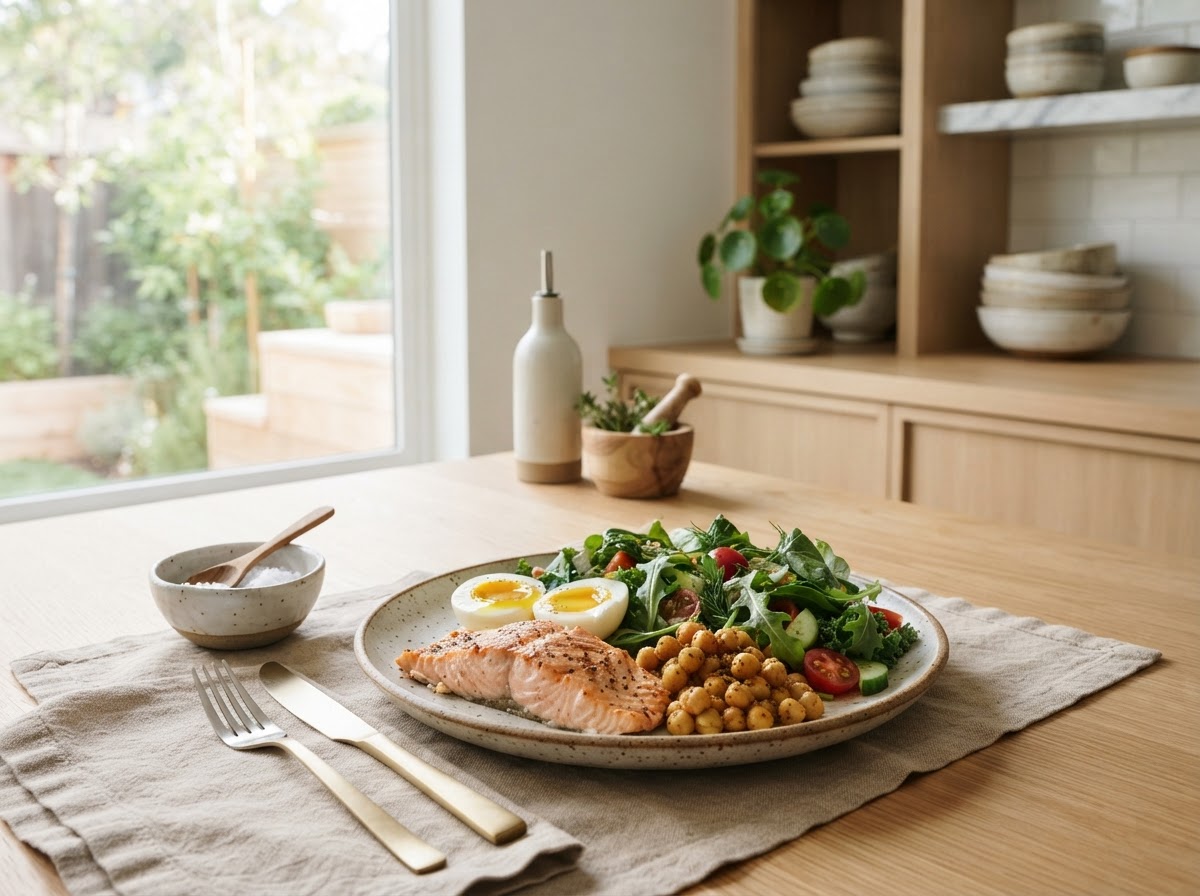
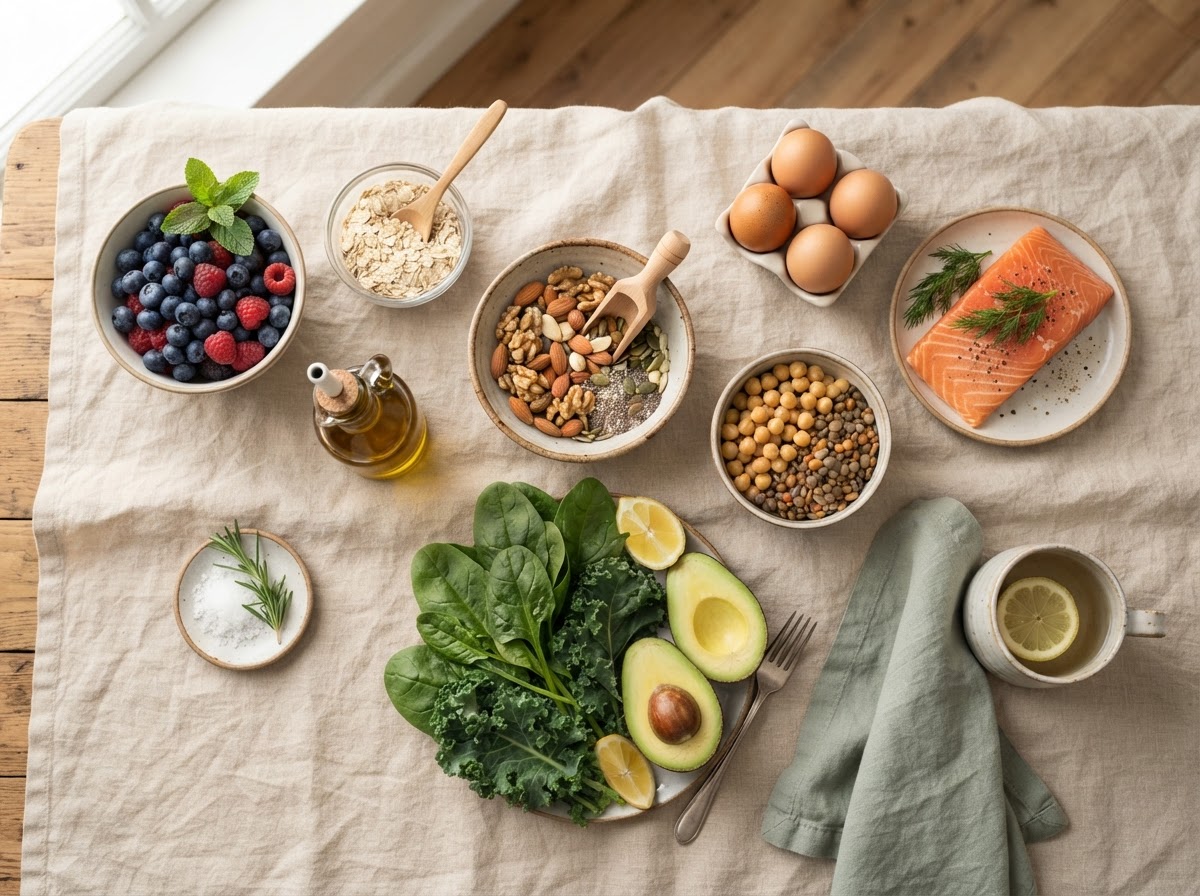
GLP-1 medications make it easier to eat less. That can be helpful, but it also increases the risk that you eat too little protein, fibre, and micronutrients, losing muscle along with fat. A Mediterranean-style way of eating works best: mostly whole, minimally processed foods, vegetables, fruits, high-fibre whole grains, healthy fats (olive oil, nuts, seeds, oily fish), and adequate lean protein at each meal.
Foods that increase GLP-1 naturally
- Whole grains such as oats, barley, and quinoa.
- Eggs and egg whites.
- Nuts and seeds such as almonds, walnuts, pistachios, flaxseeds, and chia.
- Legumes such as lentils, chickpeas, and beans.
- High-fibre vegetables such as artichokes, asparagus, broccoli, and Brussels sprouts.
- Fruits such as berries, apples, and bananas.
Best sources of protein for weight loss on a GLP-1 diet
- Fish and seafood such as salmon, tuna, white fish, and prawns.
- Skinless chicken or turkey in baked, grilled, or stir-fried dishes.
- Eggs, tofu, and tempeh.
- Greek yoghurt and cottage cheese (if tolerated).
- Legumes and high-protein plant alternatives.
Foods to avoid or limit on a GLP-1 diet
- Sugary drinks such as soft drinks, energy drinks, sweetened coffees, and juices.
- Refined carbohydrates such as white bread, pastries, and packaged cereals.
- Ultra-processed snacks such as chips, lollies, and biscuits.
- Very fatty or fried foods that aggravate nausea and slow digestion further.
- Large heavy meals, especially late at night, and excess alcohol.
How to maximise weight loss on GLP-1 medications
- Prioritise protein to protect muscle (aiming for 1.2 to 1.6 grams per kilogram of body weight per day).
- Build healthy weight-loss meals around plants, whole grains, and fibre.
- Stay hydrated (2 to 3 litres per day) and manage nausea with smaller, slower meals.
- Move regularly with resistance training and walking to support metabolism.
- Get personalised clinical guidance to prevent nutrient deficiencies and plan for long-term maintenance.